Food And Processing Laboratory
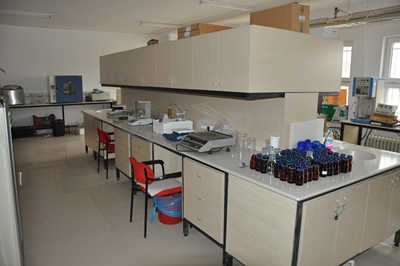
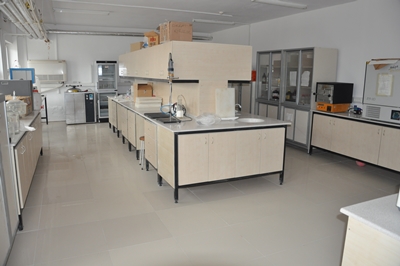
The seafood processing laboratory consists of a total of 3 units. At the entrance, there is a deep freezer (-80°C) for storing sensitive samples such as microorganisms. In addition, there are 2 vertical refrigerators and 1 deep freezer for storing other chemical and analytical samples. The seafood processing laboratory comprises sensory analysis, chemistry, and microbiology laboratories. Its current infrastructure allows for sensory, chemical (pH, fat, moisture, ash, TVB-N, TBA, and electrophoresis), and microbiological (spoilage and pathogenic bacteria analyses) analyses in these laboratories.
Sensory Analysis Laboratory:
The seafood sensory analysis laboratory has 8 computers. The lighting mimics daylight (2300 lux). There are a total of 8 computers and special tables prepared for sensory analysis. The seafood sensory analysis laboratory can perform sensory analyses for many types of fresh or processed seafood used as food.
Chemistry Laboratory:
The chemistry laboratory allows for general analyses and some specialized (electrophoresis) analyses using methods determined for aquaculture products. The chemistry laboratory is equipped with an oven for ash analysis, a steam distillation apparatus for protein and TVB-N analyses, a benchtop pH meter for pH analysis, and incubators to meet the temperature requirements of the samples. Additionally, an ultra-pure water device is available for use in electrophoresis analyses.
Microbiology Laboratory:
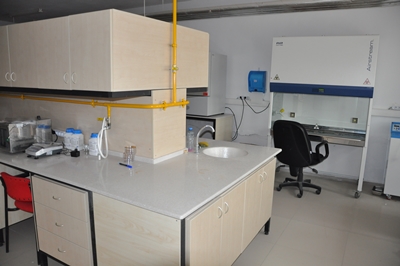
Established to determine microbiological changes occurring in aquaculture products, this laboratory is equipped with an autoclave for sterilizing culture media and materials, a Class II level culture chamber for safely working with foodborne pathogens, and incubators for incubating microorganisms. Furthermore, the microbiology laboratory has a multi-scan device capable of spectrophotometrically determining the growth of microorganisms.